
Our Standards
HomeForge Principles
Our
Standards
HomeForge is built around practical tools, clear information and dependable everyday utility. Our standards guide how we think about product relevance, workshop usefulness, straightforward presentation and the support customers should expect when choosing tools and hardware for real repair work.
Practical purpose
Every category should relate directly to common repair, maintenance, fastening, drilling, cutting or measuring work.
Understandable information
Product information should help customers identify what a tool is, what it is for and whether it suits the intended task.
Workshop relevance
The HomeForge range remains centered on tools, hardware and practical home repair rather than unrelated categories.
Helpful guidance
When questions arise, our goal is to provide useful information without unnecessary claims, pressure or confusion.
Built Around Real Work
Standards shaped by practical repair environments.
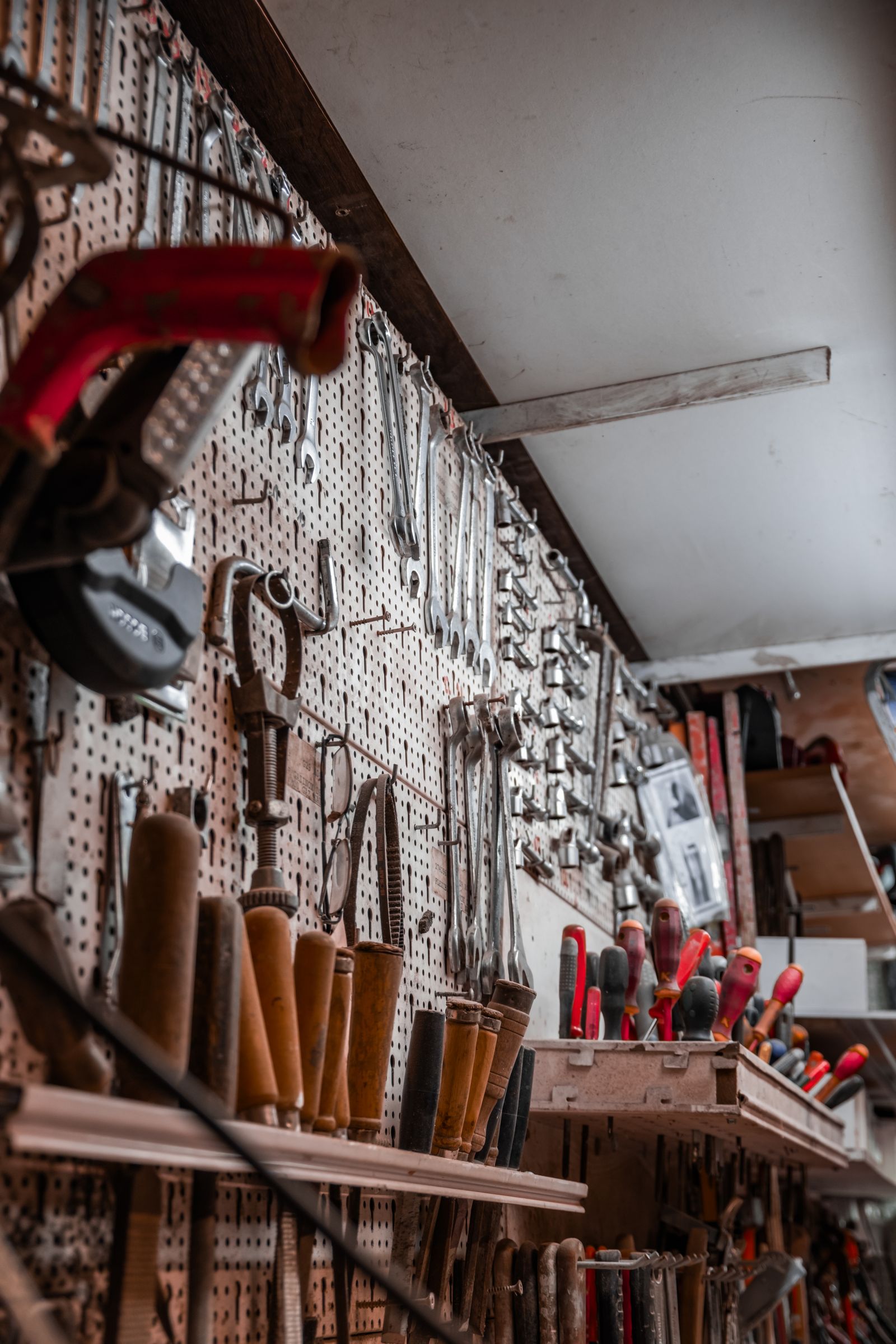
HomeForge is designed around the realities of workshops, maintenance tasks and everyday home repair. The products and information we present should make sense in the places where measuring, drilling, fastening and installation actually happen.

Purpose before decoration
Tools, accessories and hardware should solve identifiable repair and maintenance tasks rather than exist only for visual appeal.

Designed around use
Product choices should be considered in the context of real drilling, fastening, fitting and workshop tasks.
Clear organization
Categories and descriptions should make it easier to distinguish between tools, accessories, fasteners and measuring equipment.

Consistency matters
A useful workshop depends on tools that are easy to identify, store and select for the task in front of you.
Four Core Standards
The principles behind the HomeForge experience.
Our standards are intended to keep the store focused, useful and easy to navigate for customers working on practical repair and maintenance projects.
Practical relevance
The products we present should relate clearly to tools, hardware, repair, installation, maintenance or workshop organization.
Clear presentation
Product names, categories and descriptions should make the item easier to understand without unnecessary keyword repetition or exaggerated language.
Useful selection
The range should support common tasks across fastening, measuring, drilling, cutting, fitting and general home maintenance.
Responsible guidance
Product and support content should avoid unsupported promises and help customers understand what information matters for the job.
How We Think About Products
Fit the tool to the task.
A useful product starts with a clear job. We look at tools and hardware in terms of what they are intended to help accomplish, how clearly that purpose can be communicated and where the item fits within a practical repair toolkit.
The intended repair or workshop task should be easy to identify.
Important product information should be presented without unnecessary clutter.
The item should fit logically within a HomeForge tool or hardware category.
Customer-facing claims should remain practical and proportionate.
Function
What task is the tool, accessory or hardware item intended to perform, and is that purpose clear enough for a customer to understand?
Fit
Does the product make sense within HomeForge categories such as drilling, fastening, cutting, measuring or home repair?
Clarity
Can the essential information be communicated cleanly without exaggerated marketing language or confusing terminology?
Usability
Does the product serve an understandable role within practical repair, workshop organization or maintenance work?
Supportability
Can common questions about the product be addressed with clear, useful information rather than unsupported promises?
What This Means In Practice
Standards should be visible in the details.
The way products are named, grouped, explained and supported is part of the overall HomeForge standard. Clear information is useful before, during and after a repair project.
Clear over complicated
Product titles and descriptions should focus on the tool itself, the relevant features and the work it is designed to support.
Organized around the job
Collections should help customers move naturally between related tools, accessories and hardware for practical workshop tasks.
Useful answers
Support content should help clarify orders, product information and next steps while avoiding assumptions that cannot be verified.
Professional and focused
HomeForge uses a restrained industrial visual language that keeps the focus on tools, hardware and real repair work.
Context matters
Tool choice depends on the material, fastener, repair method and working conditions. Guidance should reflect those practical differences.
No unnecessary promises
Strong customer information does not need unsupported performance claims, invented awards or exaggerated language.
What Our Standards Mean
Credibility comes from clarity, not inflated claims.
HomeForge standards describe the principles we use to shape the store experience. They are not a substitute for product-specific instructions, manufacturer information or independent certification. When a particular specification, rating or safety requirement matters, customers should rely on the information provided for that individual product and application.
Frequently Asked Questions
Understanding the HomeForge standard.
These principles explain how HomeForge approaches product presentation, categories, guidance and customer communication.
What does “Our Standards” mean at HomeForge?
It refers to the principles used to keep HomeForge focused on practical tools, hardware, clear product information, useful categories and responsible customer communication.
Does this page mean every product has an independent certification?
No. This page describes HomeForge store principles and should not be read as a claim that every product has a particular independent certification. Product-specific information should be reviewed on the relevant product page.
How does HomeForge organize its product range?
The range is organized around practical tool and repair categories including screwdrivers, drills, cutting tools, fasteners, measuring tools, hardware and other everyday repair essentials.
Why does HomeForge avoid exaggerated product language?
Clear, focused information makes it easier to understand what a tool is designed to do. Practical descriptions are more useful than unsupported superlatives or unnecessary claims.
What should I do if I need more product information?
Review the available product information first. If an important detail is unclear, contact HomeForge with the product name and your question so our team can help with the available information.
How should I choose the right tool for a repair?
Start with the material, fastener, size and type of work involved. Measure carefully, identify the task and choose a tool or accessory designed for that application.
HomeForge
Practical tools. Clear information. Focused support.
Explore HomeForge collections for drilling, fastening, measuring, cutting, hardware installation and everyday home repair. If you need help understanding an item, contact our team with the product details and your question.