
Safety Tips
HomeForge Workshop Guide
Safety
Tips
Good repair work depends on more than the right tool. A clear workspace, controlled technique and careful inspection help reduce avoidable mistakes when drilling, fastening, cutting, measuring and maintaining your home.
Check before use
Look for damaged tools, worn accessories, loose hardware and unstable working surfaces.
Set the workspace
Clear clutter, improve visibility and make sure the material is properly supported.
Work deliberately
Maintain stable positioning and avoid excessive speed, pressure or improvised techniques.
Respect uncertainty
Pause when you cannot confidently identify the material, service, hazard or safe next step.
Safe Workshop Habits
Safer work begins with an organized, controlled setup.
Whether you are drilling a pilot hole, tightening hardware or preparing a cutting task, the area around the tool matters. Keep the workpiece stable, the correct accessories nearby and the working path clear.
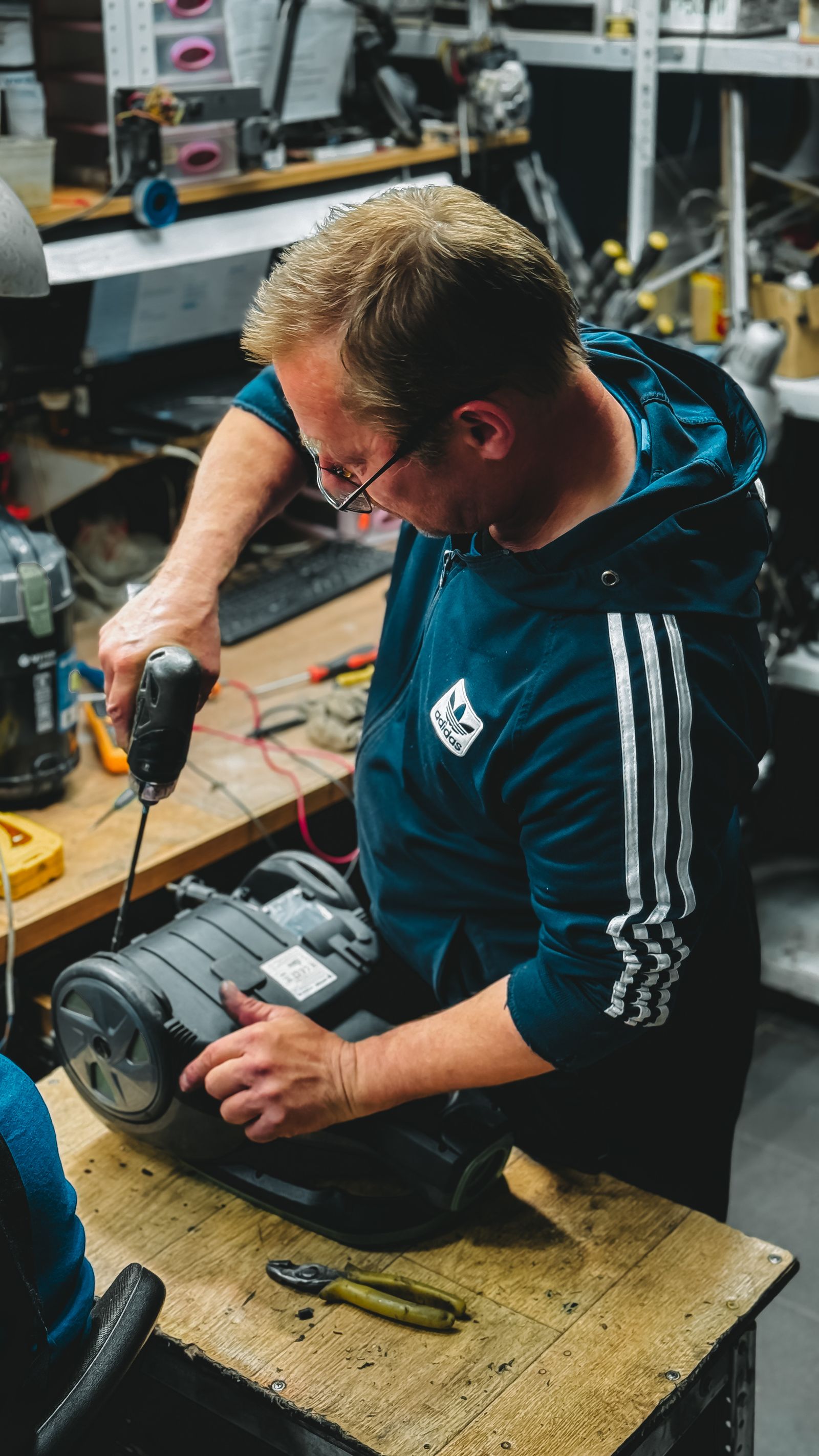
Maintain tool control
Keep a stable stance and guide the tool deliberately instead of relying on excessive speed or force.
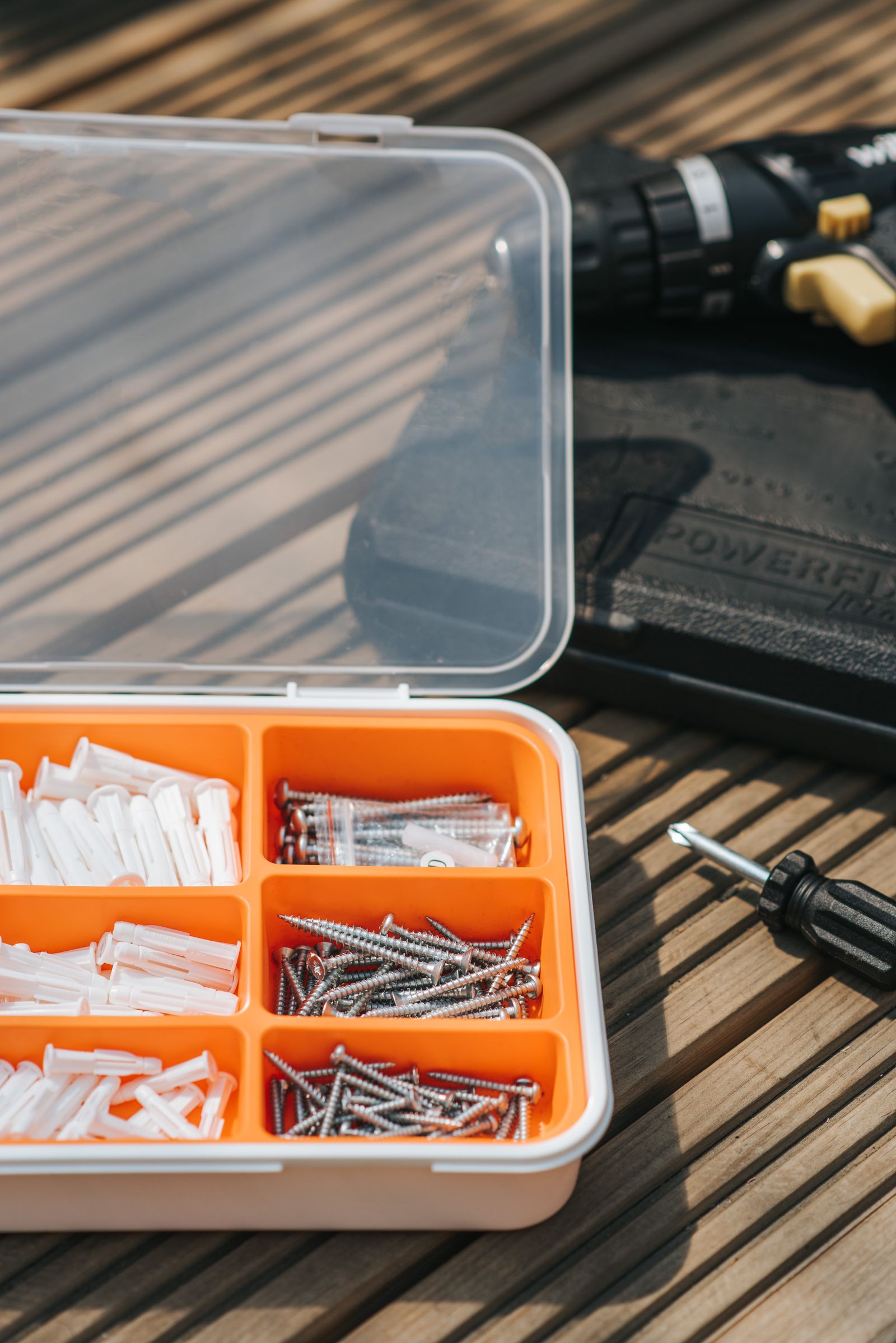
Keep the work area clear
Arrange tools and accessories so loose items do not interfere with the repair or become hidden beneath the workpiece.
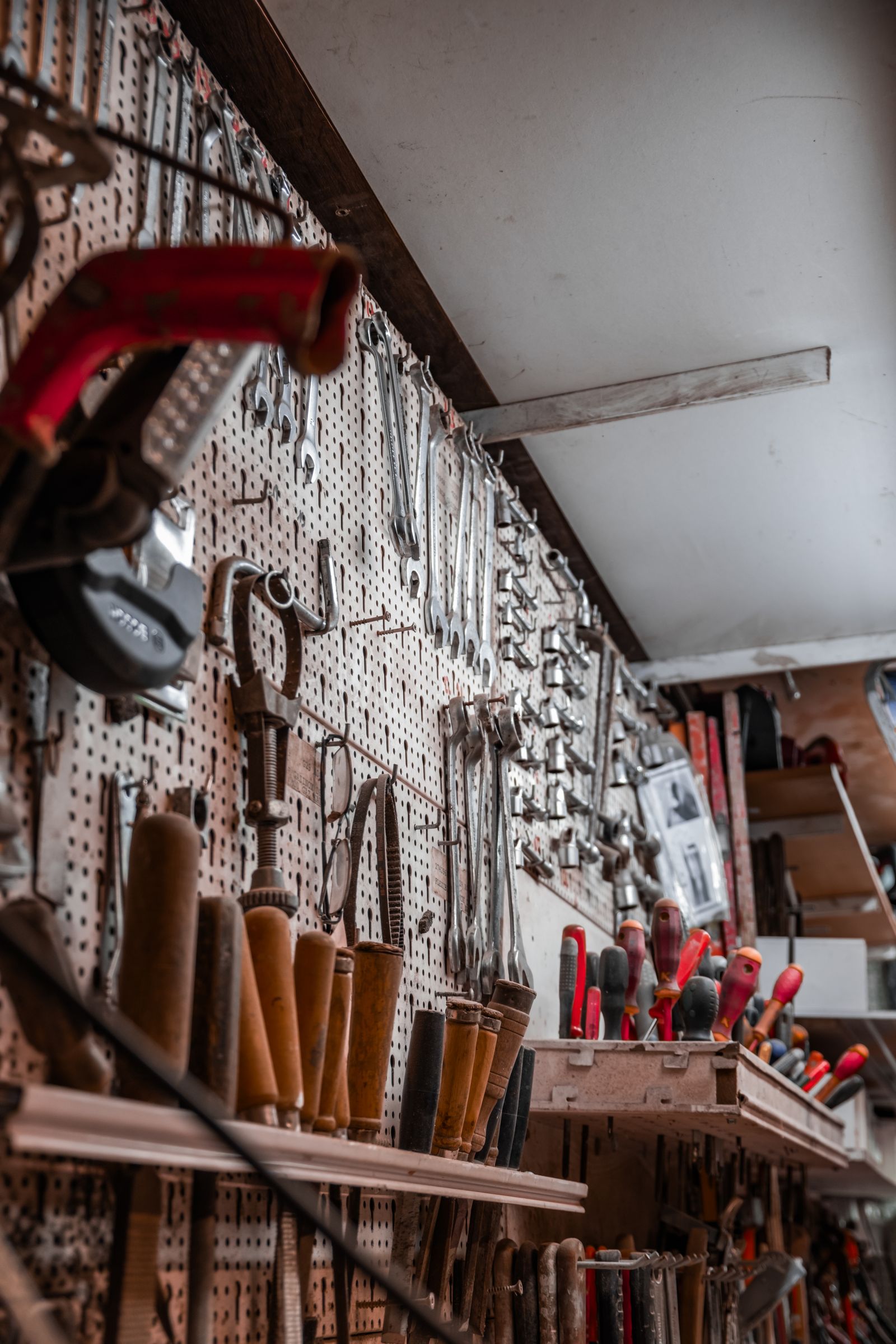
Use the correct tool
Match the tool, bit, blade or driver to the material and fastener instead of improvising with an unsuitable alternative.
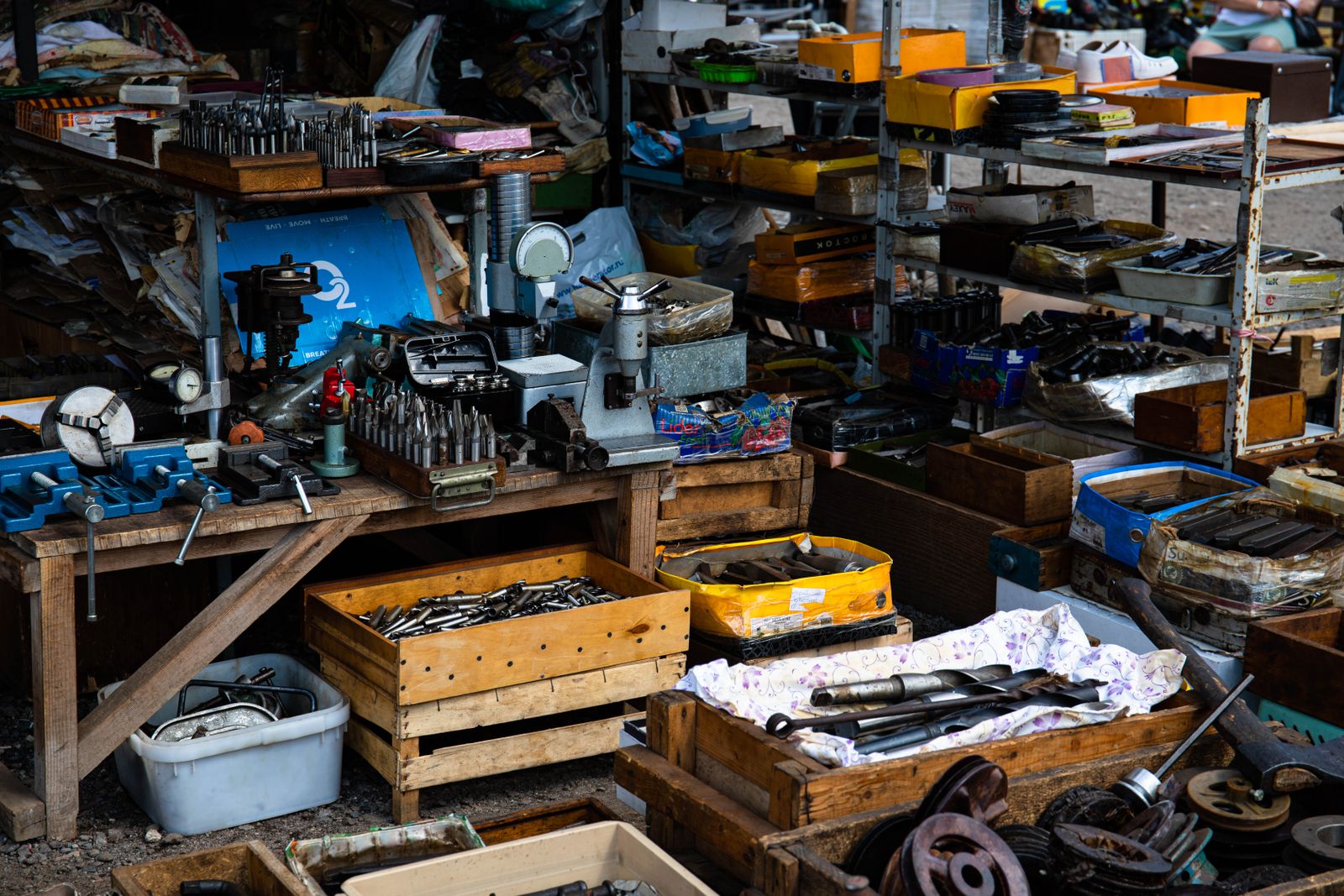
Store tools intentionally
Return tools, bits, blades and accessories to a clean, dry and organized location after the work is complete.
Four Fundamentals
Safety habits that apply across everyday repair work.
Different tools require different techniques, but these four habits are useful across drilling, fastening, cutting, measuring and general maintenance.
Inspect first
Check the tool, cord or battery area, bit, blade, fastener and workpiece for visible damage or anything that could interfere with safe use.
Secure the work
Keep material stable before drilling, cutting, driving or striking. Avoid working on loose pieces that can move unexpectedly.
Keep control
Maintain balanced positioning and keep your attention on the point where the tool meets the material.
Finish safely
Allow moving parts to stop, disconnect or isolate the tool as appropriate and clear debris before inspection or storage.
Pre-Use Inspection
Take a minute to check the setup.
A quick inspection can reveal damaged accessories, poor alignment, loose hardware or an unsuitable working surface before the task begins.
Check bits, blades and driver tips for visible wear or damage.
Confirm guards, handles and removable accessories are positioned correctly.
Make sure the workpiece is supported and the surrounding area is clear.
Read and follow the instructions supplied with the specific tool being used.
Power source
Check the relevant cord, plug, battery or connection area for visible damage before using a powered tool.
Accessory fit
Bits, blades and other accessories should be suitable for the tool, material and task and should be installed according to the tool instructions.
Material condition
Cracked, loose or unsupported material can behave unpredictably. Check the workpiece before applying pressure.
Work area
Keep the area dry, well lit and free of unnecessary clutter that could interfere with movement or visibility.
Hidden hazards
Do not drill, cut or fasten into an area when concealed wiring, plumbing or other services cannot be confidently identified.
Tool-Specific Guidance
Different tools call for different kinds of control.
Always follow the instructions supplied with the individual tool or accessory. These general reminders can help reinforce careful working habits.
Keep the bit aligned
Start deliberately and keep the tool square to the work whenever possible. A slipping or poorly seated bit can damage the fastener or material.
Respect the cutting path
Keep hands and unnecessary objects away from the path of the cutting or grinding accessory and make sure the material is stable.
Check the striking area
Confirm the handle, head and striking surface are in good condition and keep fingers clear of the intended impact point.
Use the correct tip
A driver tip that fits the fastener properly is easier to control and less likely to slip or damage the screw head.
Measure before committing
Confirm dimensions, alignment and placement before drilling, cutting or installing hardware.
Avoid forcing the fit
Fasteners should suit the material and application. Excessive tightening can damage threads, hardware or the surrounding material.
Protective Measures
Protect yourself and know when to stop.
Appropriate protection depends on the tool, material and task. Follow the instructions supplied with the equipment and use suitable eye, hearing, respiratory or other protection when the work requires it. Do not continue when the task moves beyond conditions you can safely identify and control.
Frequently Asked Questions
Practical safety questions for everyday repair work.
These general reminders support careful working habits. Always follow the instructions and warnings supplied with the specific tool, accessory and material.
What should I check before using a power tool?
Inspect the tool, power source, accessory and work area for visible damage or unsuitable conditions. Confirm the accessory is correctly installed and follow the instructions supplied with the tool.
Why is securing the workpiece important?
A moving workpiece can make drilling, cutting or fastening harder to control. Appropriate support helps keep the material stable while the tool is working.
Should I wear eye protection for repair work?
Tasks that can create chips, dust, fragments or flying debris may require suitable eye protection. Follow the guidance provided with the tool and accessory being used.
What should I do if a bit or blade becomes damaged?
Stop using the tool and replace visibly damaged accessories with suitable replacements before continuing. Do not attempt to work through obvious damage.
How can I work more safely around walls?
Do not drill, cut or drive into an area if you cannot confidently identify possible concealed electrical wiring, plumbing or other services behind the surface.
When should I call a professional instead?
Seek appropriate qualified assistance when the work involves conditions, systems or hazards you cannot safely identify or control, including complex electrical, gas or structural work.
Prepare For The Job
Use dependable tools and work with a clear plan.
Explore HomeForge tools and hardware for practical measuring, fastening, drilling, cutting, installation and maintenance tasks. Choose tools that suit the material, the repair and your working conditions.